

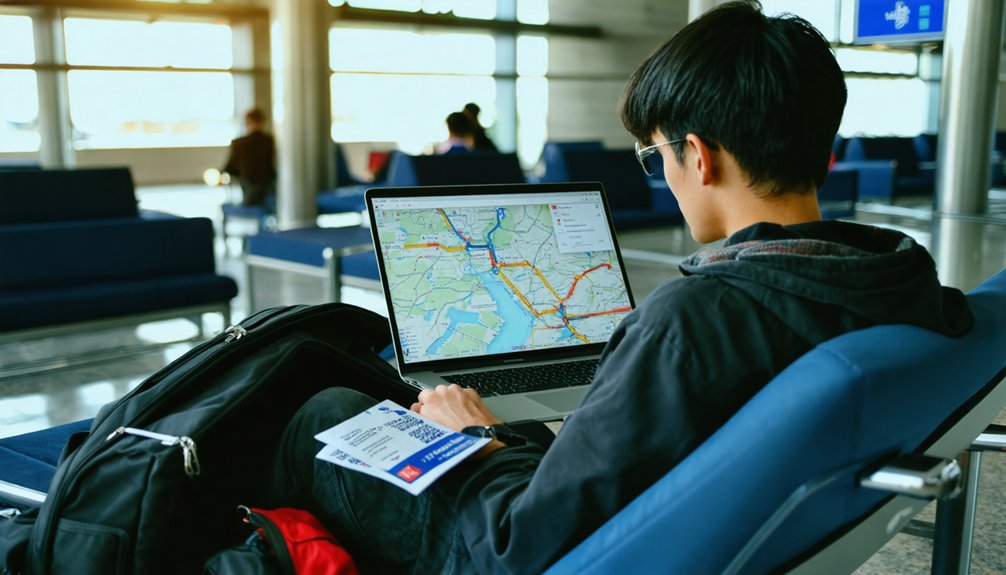

Flexible travel planning is reshaping trips by making travelers more willing to adjust timing, trip length, lodging, and transport instead of canceling. As prices rise, 31% shorten stays while only 9% cancel or delay entirely. Flexible policies matter to 79% of travelers, reducing booking risk and supporting off-season demand. AI tools also make adaptation easier through smarter budgeting and personalized options. The bigger shift is how flexibility now influences when, where, and how often people travel.
Why Flexible Travel Planning Matters More Now
As travel demand stays high, flexibility has become the key variable shaping how trips get planned.
With 93% of Americans expecting to travel in 2026, travelers increasingly rely on adaptive budget budgeting, to stay included in experiences that still feel attainable. And 71% are actively setting aside money for travel budgets as part of that planning.
Data shows 39% are shifting from international to domestic trips, while 16% are targeting less-crowded destinations to sidestep scarcity and premium pricing. A weaker U.S. dollar is also pushing travelers to rethink where their money goes furthest.
This planning mindset is also becoming more strategic. Flexible dates, routes, airlines, and rewards programs help travelers uncover better value, especially as cash fares and points deals fluctuate. Many travelers are also locking in major trips earlier, especially for international travel, to secure preferred options and manage costs.
Digital tools, including AI, support faster comparison shopping and smarter itinerary choices, particularly among millennials balancing time and costs.
In this environment, pricing flexibility is less a perk than a practical requirement for staying in the travel conversation.
How Inflation Is Changing Flexible Travel Plans
While flexibility was once a value-maximizing tactic, inflation is turning it into a core defense against rising trip costs. Airfare rose 7.1% year over year through February 2026, while dining increased 3.9%, entertainment 5.5%, and overall travel prices 3%, with costs still 16% above February 2020. In response, flexible travelers increasingly treat planning as budget reallocation, not just preference. Waiting also carries risk, as travel spending is projected to surge 22% in 2026, making early planning more valuable. Because flights account for 36% of the travel price index, airfare pressure has an outsized effect on overall trip budgets.
That inflation impact is reshaping where and how people travel. Lodging fell 2.2% to 3.2%, car rentals dropped 1.2%, and offseason timing offers additional protection from peak pricing. Travelers are shifting toward domestic routes, less expensive accommodations, locally sourced dining, and destinations with stronger supply stability. Destinations with robust public transport, healthcare, and utilities can also provide a more predictable cost baseline through infrastructure subsidies. Flexible dates, alternate airlines, transferable points, and annual insurance policies help communities of travelers protect purchasing power while staying engaged.
Why Shorter Trips Are Replacing Cancellations
Rather than abandoning travel when prices rise, most travelers are trimming trips to keep them viable. Data shows 31% shorten stays instead of canceling, while only 9% cancel or delay entirely. Among travelers reducing spending, 56% cut nights first, confirming strong price elasticity in trip length rather than trip intent. This shows that adjustments preserve demand even as travelers become more selective about how they spend. Industry observers also note that viral cancellation claims lack verifiable sourcing.
This pattern reflects growing itinerary fluidity. One lost night per booking helps preserve the getaway, the budget, and the sense of participation travelers still want. Economic pressure is clearly reshaping behavior: 14% of Americans are taking shorter trips, and one- to two-day international breaks are gaining momentum, especially among Gen Z. These compact journeys fit limited PTO, concentrate spending on high-value moments, and keep travelers connected to the experiences, places, and social rhythms they do not want to miss. Travelers are also leaning into value-driven travel by choosing shorter, more affordable escapes instead of giving up travel altogether.
How Flexible Travel Planning Shifts Booking Timing
Two booking clocks now define trip planning: travelers reserve core inventory earlier to secure access, then delay final commitment longer as comparison shopping and cancellation sensitivity rise.
Nonstop flights, holiday weeks, and preferred room categories increasingly disappear months ahead, while post-COVID pricing limits hopes for last-minute bargains.
That makes booking timing a strategic skill, not a routine step. Early booking secures pricing and availability for high-demand periods.
At the same time, itinerary fluidity stretches decision windows.
International travelers research longer, abandon more often, and need earlier expectation setting as uneven 2026 recovery reshapes planning cycles.
Shoulder season demand also changes rhythms: travelers pursue value, fewer crowds, and event-aware calendars, with 65% of top-searched 2026 dates linked to global events.
Spring break reflects the split: planning share fell to 19%, yet overall spring trip planning rose 61%, signaling more selective, belonging-driven choices.
How AI and Social Tools Shape Flexible Trips
AI and social exploration tools are compressing the gap between trip inspiration and trip adjustment, making flexibility easier to manage at every stage of planning.
Across travel, AI adoption is accelerating: 29% of surveyed U.S. consumers used AI for trip planning, while global usage reached 40%, signaling mainstream trust in responsive support.
That momentum reflects measurable value. AI-referred visitors show 36% longer site visits, 7% more pages viewed, and a 44% lower bounce rate.
Travelers use these tools for research, itinerary building, transportation, budgeting, and real-time price monitoring, helping plans stay fluid without feeling uncertain.
AI personalization is especially influential, with 93% of AI users valuing customized experiences.
Paired with social sharing, these tools help travelers compare options, coordinate preferences, and feel aligned with how their communities increasingly plan, adjust, and book together.
Why Travelers Are Choosing New Destinations
Why are travelers redirecting their attention to new destinations? Data points to a clear shift: 93% of Americans plan to travel in 2026, yet cost, crowding, and meaning are reshaping where they want to go.
While 44% still favor domestic road trips and 44% local weekend getaways, destination choices increasingly center on accessible, immersive places that feel both welcoming and distinctive.
That helps explain the rise of Emerging hotspots such as Big Sky, Okinawa, Sardinia, and Phu Quoc.
It also explains why Latin America has moved from the margins to a global priority.
By 2025, Central America’s international arrivals were 25% above 2019 levels.
Costa Rica, Colombia, Ecuador, and Chile stand out for biodiversity, cultural depth, sustainability, and uncongested terrains, qualities many travelers now prioritize over legacy markets worldwide.
How Flexible Travel Planning Supports Year-Round Travel
Increasingly, year-round travel depends less on fixed itineraries and more on planning flexibility that lowers perceived risk at the moment of booking. Data shows 79% of travelers rate flexible changes and cancellation terms as very important, signaling that trust-building policies directly strengthen season planning across the calendar.
Budget, lodging, and transport adaptability further widen travel windows. Travelers with flexible budgets are more willing to book despite seasonal price swings, while biannual travelers show nearly 50% highest flexibility on accommodation types and 42% on transportation modes. That openness supports off season travel and shoulder-period demand.
Personalization also matters: 66% expect customized recommendations, which reduce friction during slower periods. Meanwhile, bleisure reinforces continuity, with 83% sometimes combining work and leisure, helping travelers feel connected to travel opportunities all year.
References
- https://takeup.ai/the-state-of-travel-demand-2026-demand-isnt-down-its-getting-smarter/
- https://www.keydatadashboard.com/blog/travel-industry-data
- https://www.phocuswright.com/Travel-Research/Research-Updates/2026/Travel-Forward-Data-Insights-and-Trends-for-2026
- https://www.sixt.com/magazine/tips/top-2026-travel-trends/
- https://www.deloitte.com/us/en/insights/industry/transportation/travel-hospitality-industry-outlook.html
- https://thetravellingfool.com/the-most-important-2026-travel-trends-you-need-to-know/
- https://www.travelagewest.com/Industry-Insight/Business-Features/spring-travel-trends-2026
- https://research.skift.com/reports/skift-global-travel-insights-whats-new-for-2026/
- https://www.aarp.org/pri/topics/social-leisure/travel/2026-travel-trends/
- https://www.ipx1031.com/americans-travel-report-2026/