

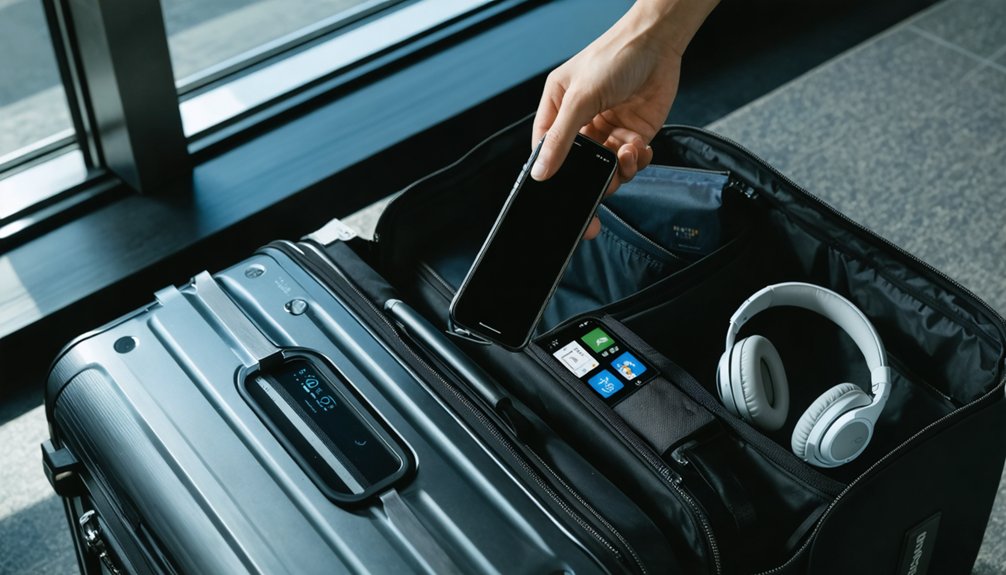

Smart travel gear improves convenience by combining charging, tracking, security, and organization in fewer, faster-to-use items. Built-in cables, MagSafe accessories, and USB-equipped bags reduce clutter and keep devices powered. GPS or Bluetooth tracking helps locate luggage, while TSA-friendly smart locks and RFID protection add security with less hassle. Durable materials, spinner wheels, and organized compartments also speed movement through airports. The right setup depends on trip length, work needs, and durability priorities.
What Makes Smart Travel Gear So Convenient?
What makes smart travel gear especially convenient is its ability to combine several functions into smaller, faster-to-use tools. Industry product specs consistently show that MagSafe accessory systems, integrated cables, and 2-in-1 chargers reduce the number of separate items travelers need to pack. A single unit can charge a phone and watch, act as a stand, or hold essentials without extra parts. Anker’s Nano Power Bank adds even more convenience with its built-in USB-C cable, cutting down on extra cords travelers need to carry. Products like the AirFly Pro add wireless in-flight audio by letting travelers use Bluetooth headphones with plane seat-back audio jacks without extra wired adapters.
Convenience also comes from portability and speed. Foldable design allows chargers and stands to slip into pockets or tight bag spaces, while lightweight materials keep daily carry manageable. Magnetic attachment supports quick, one-handed setup, and adjustable viewing angles help devices fit work, entertainment, and communication needs. For travelers who value feeling prepared and coordinated, these compact magnetic attachment features make routines smoother, packing lighter, and shared travel moments easier. Smart travel gear is even more useful when it offers multi-use functionality that replaces several separate accessories without adding bulk.
Smart Luggage That Keeps You Moving
How does luggage become more than storage? Smart luggage keeps travelers moving by reducing common airport friction points. GPS tracking delivers real-time location updates during layovers and baggage claim, a useful response to reports that 56% of travelers experience delayed or lost luggage. GPS and Bluetooth often work together as layered security for both global and nearby tracking.
Digital locks add app-based control, biometric access, and alerts when a bag is moved or separated from its owner. Weight sensors help avoid overweight fees by showing packed weight before check-in. Built-in USB ports provide on-the-go charging so travelers can power devices during long layovers without carrying a separate power bank. As air travel continues to expand, with 4 billion passengers recorded globally in 2022, these tools become even more relevant for managing crowded and fast-moving travel environments.
These features support a smoother, more confident travel routine, especially for frequent flyers and digital nomads who value reliability. Many models also include RFID-blocking pockets, water resistance, and modular compartments that organize essentials efficiently.
With growing interest in eco‑friendly materials, smart luggage increasingly reflects both practical needs and shared travel values today.
Smart Travel Bags With Built-In Charging
Why let a phone battery become another travel disruption? Smart travel bags with battery integration keep essential devices powered through layovers, commutes, and gate changes. Travelpro offers USB‑A and USB‑C ports, while Away includes two USB ports under the handle flap, including fast charging. These features provide an integrated power solution that reduces the hassle of searching for public charging stations.
Away’s 10,000 mAh battery can recharge an iPhone up to five times, and some models support charging multiple devices at once.
Practical value also depends on compliance and access. Removable power banks align with FAA expectations, and brands such as Travelpro and Modobag 2.0 make removal simple through external or dedicated pockets. FAA and TSA rules require cabin battery carry rather than packing lithium-ion batteries in checked luggage. Compliance with IATA standards is also mandatory for battery-equipped luggage. Clear battery labels assist airport screening.
Organization adds further convenience: laptop sleeves, mesh sections, and quick‑access compartments pair ergonomic design with charging features, helping travelers feel prepared, connected, and part of a smoother travel routine.
Smart Locks and Trackers for Peace of Mind
For many travelers, peace of mind begins with knowing luggage stays both secure and traceable. Smart locks now use biometric authentication, allowing only registered fingerprints to open bags without keys or codes. Built from zinc alloy or stainless steel, these locks resist tampering and reduce mechanical failure through simpler designs. TSA-compliant models also let security agents inspect and relock luggage without forcing entry. Fast fingerprint scanners provide rapid access in busy terminals, helping travelers open bags in less than a second.
Tracking-enabled locks add another layer of confidence. Compatibility with Apple Find My supports global location visibility, while Lost Mode and left-behind alerts help travelers stay connected to their belongings. End-to-end encrypted tracking protects privacy, and USB-C recharging removes the need for replacement batteries. Together, integrated locking and tracking systems offer a visible theft deterrent and a more reassuring travel experience for frequent flyers and families alike.
Smart Travel Gear for Work on the Go
Beyond protecting luggage, smart travel gear also supports productivity once the trip begins. Research from Goldsmiths found wearables increased employee productivity by 8.5% and job satisfaction by 3.5%, showing practical value for travelers balancing meetings, transit, and deadlines. Smartwatches and AR glasses deliver notifications, directions, and shared visuals without interrupting movement.
Smart backpacks function as mobile work hubs, combining charging ports, security features, and organized laptop storage for smoother remote work between stops.
In operational settings, AR-enabled glasses have produced 10 to 15% productivity gains through faster information access and fewer errors. Voice-enabled wearables also reduce paperwork and support hands-free communication. Paired with digital tools such as an AI itinerary and biometric passport workflows, these devices help professionals stay connected, capable, and confidently in step.
Which Smart Travel Gear Fits Your Trip?
How a traveler moves, works, and stores gear should determine which smart travel equipment makes sense for the trip. Travel style guides luggage choices: backpacks or 45-50L rucksacks suit transit‑heavy routes, wheeled luggage suits hotel stays, and wheeled backpacks bridge both. Duffels remain budget friendly and flexible across mixed terrain.
For organization, packing cubes, compression cubes, and electronics pouches support compact design and faster shifts on multi‑stop itineraries. Daypacks help travelers carry daily essentials without disrupting main luggage. For connectivity, multi‑purpose cables, portable power banks, dual chargers, and adapters keep devices usable across regions. Security needs may call for TSA locks, RFID blocking sleeves, Bluetooth trackers, luggage tags, or dry bags. Together, these choices support smart sustainability by matching gear to actual trip demands, not excess.
How to Choose Smart Travel Gear That Lasts
When smart travel gear is chosen for longevity rather than novelty, the most reliable indicators are material strength, hardware durability, wheel construction, and warranty support.
High-grade polycarbonate generally outperforms ABS for impact protection, while ballistic nylon improves tear resistance and reinforced corners limit scuff damage. Buyers seeking dependable material durability often prioritize these proven standards.
Wheel systems also matter. Four or eight spinner wheels, especially extra-large designs with improved bearings, tend to roll farther and seize less under load.
Premium components such as YKK zippers, aluminum telescopic handles, and reinforced stress points signal longer service life. Warranty terms add another filter: brands like Briggs & Riley and Travelpro publish meaningful coverage.
For smart functions, practical users compare GPS tracking options, integrated AirTag holders, and battery longevity before committing.
References
- https://www.futuredatastats.com/smart-travel-gadgets-market
- https://www.fortunebusinessinsights.com/smart-luggage-market-104615
- https://www.greenfield-bag.com/news/new-trend-of-the-global-luggage-and-bag-indust-85236911.html
- https://www.tsxluggage.com/news/the-ultimate-guide-to-2026-luggage-industry-trends-from-sustainable-design-to-smart-travel-gear/
- https://www.theinnatstonecliffe.com/blog/the-ultimate-packing-list-best-items-for-travel-in-2026-including-mackinac-island-essentials
- https://smartflyer.com/story/2026-travel-trends/
- https://www.moft.us/blogs/news/best-travel-gadgets
- https://www.carryology.com/liking/buyersguide/15-awesome-long-haul-travel-essentials/
- https://www.menshealth.com/technology-gear/g42487333/best-travel-gadgets/
- https://www.geekyexplorer.com/best-travel-accessories-items/