

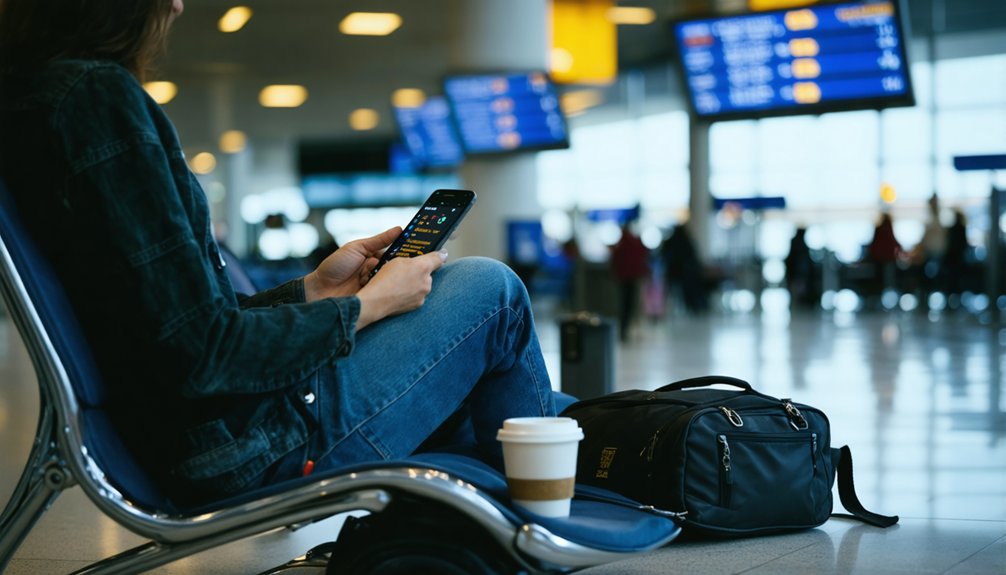

Travelers should know that dynamic pricing lets airlines and hotels change fares within minutes using demand, timing, competitor rates, weather, events, and search activity. Prices often climb fastest in the final 21 days before departure, especially around holidays, conferences, and disruptions. Early, flexible bookings usually get lower fares, while last-minute buyers often pay premiums. Comparing channels, using incognito mode, and shifting dates or airports can help reduce costs. The patterns behind these moves become clearer ahead.
What Dynamic Pricing Means for Travelers
Why do travel prices seem to change by the hour? For travelers, flexible pricing means fares increasingly reflect demand, timing, and conditions rather than fixed categories. Prices often rise with heavy booking activity, strong search volume, favorable weather, or peak periods, and fall when demand softens. Many travel brands now use AI optimization to process large amounts of demand and market data in real time. Attractions and destinations may also add surcharges, such as Venice’s 10-euro day-tripper fee. Airlines and hotels also use personalized offers to tailor prices and packages based on past behavior and traveler preferences.
The practical effect is uneven. Early leisure travelers often secure lower prices, while late business travelers typically pay more for scarce inventory and flexibility. Research shows output can expand 2.7 percent, yet total consumer welfare falls 6.3 percent versus uniform pricing, despite a 1 percent overall welfare gain. Public sentiment remains mixed, making fair pricing fairness and regulatory impact central concerns for travelers seeking transparency, predictability, and inclusion in booking decisions. Travelers can sometimes avoid the highest prices by choosing lower-demand dates and times and checking attraction calendars for off-peak savings.
Why Dynamic Pricing Changes Travel Prices Fast
Because modern travel pricing systems ingest live signals from the market, prices can change within minutes rather than over days. Demand forecasts, competitor rates, search activity, weather, holidays, loyalty status, and booking setting feed models that recalculate fares continuously. This creates visible price volatility across the same itinerary, even within a short shopping window. Industry-wide Shopping Data now gives airlines visibility into live search patterns beyond their own platforms.
Algorithms also act quickly. They open or close fare buckets, react to each ticket sold, and support continuous pricing beyond fixed fare ladders. Airlines also use request-level data to calculate optimal prices at the moment of inquiry. Industry data shows itineraries change price daily at a 20% rate, averaging 12 changes across 60 days and 6.8 unique fares. Hotels similarly shift rates by occupancy and event demand. This speed reflects algorithmic elasticity: systems test what travelers will accept while aligning inventory, timing, and offers with live market conditions across channels. In practice, this real-time pricing helps travel brands respond instantly to sudden demand spikes or competitor flash sales.
When Dynamic Pricing Hits the Hardest
Watch where dynamic pricing concentrates its force: the steepest increases usually appear in the final booking window and during high-demand travel periods.
Two-thirds of price adjustments occur within 21 days of departure, and shifts can happen within hours as booking pace accelerates or cheaper fare buckets disappear. Real-time systems use external signals like competitor moves, weather, and destination interest to intensify these adjustments. Prices can also rise well before seats or rooms look scarce because demand forecasts anticipate strong sell-through from seasonal patterns, events, and search activity.
Business travelers are hit especially hard because late demand is treated as less price-sensitive, with mobile last-minute purchases often costing more.
Peak seasons intensify pressure. School holidays, local events, and trending destinations push forecasts higher weeks or months ahead, while surrounding sellouts create cascading increases across nearby options.
These patterns sharpen concerns about price fairness and algorithmic bias. Travelers tend to feel excluded when leisure segments receive lower fares and urgent trips absorb premiums, especially as visible volatility undermines trust and belonging. Transparent explanations can soften perceived unfairness when prices change rapidly.
How Airlines and Hotels Use Dynamic Pricing
Across airlines and hotels, adaptable pricing now operates as a core revenue system rather than a limited promotional tool. Roughly 260 carriers, representing 80% of IATA members, now use dynamic models, with adoption up 20% since 2023. Systems began with seat availability and booking windows, but leading operators now factor in weather, economic signals, competitor fares, and channel behavior. Truly continuous pricing remains rare and typically depends on access to Shopping Data from live customer search activity.
Airlines including Delta, Lufthansa, and Qatar Airways use AI and continuous pricing to recalibrate fares, bags, and seat fees in real time. Historical demand, fare classes, and price elasticity guide decisions that support price based revenue growth. MIT and BCG findings link these methods to revenue gains from 3% to 10%, while helping brands strengthen load factors, flexibility offers, and broader traveler participation across market segments and loyalty tiers.
How to Spot Dynamic Pricing Before You Book
How can travelers identify adaptable pricing before booking? Clear signals usually appear in timing, inventory, and market behavior. Rates often rise as occupancy climbs, seats or rooms disappear, and check-in or departure approaches.
Hourly or daily shifts, especially around conferences, holidays, or weather disruptions, indicate active demand forecasting. Midweek spikes often reflect business travel, while weekend swings suggest leisure demand. Search surges and heavy website traffic also precede increases.
Travelers can also watch competitive alignment. Airlines and hotels use algorithms to match or react to rival rates, market share goals, and unusual events. Historical booking curves, cancellation patterns, load factors, and length-of-stay trends help explain adjustments.
These patterns reflect price elasticity: when demand strengthens and availability tightens, adaptable pricing becomes visible before purchase across channels and booking platforms.
How to Beat Dynamic Pricing and Save
When dynamic pricing is active, savings usually come from reducing exposure to peak-demand signals and comparing rates before committing.
Travelers typically pay less by booking midweek, choosing shoulder seasons, and avoiding holidays or major events that accelerate algorithmic increases.
Effective price hacks also include searching in incognito mode, clearing cookies, and switching browsers or devices to limit behavior-based fare inflation.
Comparing OTAs, airline sites, hotel websites, and metasearch tools reveals price dispersion created by competitor‑monitoring systems.
Flexibility strengthens results: shifting departure by a day, choosing midday flights, nearby airports, or indirect routes often lowers fares.
Loyalty programs, flash‑sale newsletters, price alerts, and credit card status can release targeted discounts during slower booking periods.
Understanding this price psychology helps travelers feel informed, connected, and better positioned to book with confidence.
When Dynamic Pricing Can Actually Help You
Surprisingly, adaptive pricing can work in a traveler’s favor, especially for leisure bookings made before demand peaks. Data shows early pricing often lowers fares versus flat rates, creating savings for flexible travelers who book before demand forecasting signals tighten.
Because airlines respond to price elasticity and willingness to pay, lower initial fares can remain available longer in softer periods, reducing fare volatility for those with flexible booking timing.
Models also support capacity management, helping keep some seats available for later, higher-value demand without immediately pricing out leisure travelers. Across markets, output rises 2.7 percent and total welfare increases 1 percent under dynamic pricing.
For travelers who feel part of the informed booking community, revenue optimization can therefore mean earlier access, steadier choices, and better value overall in many markets.
References
- https://iweensoft.com/glossary/dynamic-pricing
- https://www.arrivia.com/insights/dynamic-pricing-in-travel-loyalty-programs/
- https://gimmonix.com/news/dynamic-pricing-a-guide-for-travel-companies
- https://pros.com/learn/blog/what-exactly-is-dynamic-pricing-airline-industry/
- https://mize.tech/blog/dynamic-pricing-in-the-travel-industry-what-it-takes-to-turn-volatility-into-profit/
- https://en.wikipedia.org/wiki/Dynamic_pricing
- https://www.siteminder.com/r/hotel-dynamic-pricing/
- https://www.travelai.com/resources/dynamic-pricing-travel-profitability/
- https://thepointsguy.com/news/outsmart-dynamic-pricing-for-travel/
- https://cowles.yale.edu/sites/default/files/2022-09/d2103-u3.pdf